

About the Programme
The Bachelor of Technology in Computer Science and Engineering (Artificial Intelligence and Data Science) is a four-year undergraduate engineering programme focused on developing highly skilled professionals in the fields of Artificial Intelligence (AI) and Data Science (DS) with strong foundational knowledge in computer science.
The exponential growth in data generation — from devices, enterprises, and digital platforms — has created a global demand for engineers who can analyze, interpret, and extract actionable insights from large and complex datasets. This programme is designed to equip students with advanced computational skills, analytical reasoning, and hands-on experience with AI and DS technologies.
Students will learn:
- Foundational subjects in mathematics, computing, and software engineering
- Core topics in programming, algorithms, databases, and systems
- Specialized subjects in AI, machine learning, data mining, statistical learning, big data analytics, and predictive modeling
The curriculum emphasizes outcome-based education (OBE), integrating classroom theory with laboratories, real-world projects, internships, case studies, and industry mentorship. Graduates are prepared for careers in AI/ML engineering, data science, analytics, research, and technology leadership roles across industry, academia, and entrepreneurship.
The programme aligns with NBA and NAAC accreditation requirements, ensuring rigor, relevance, and competence in contemporary computing disciplines.
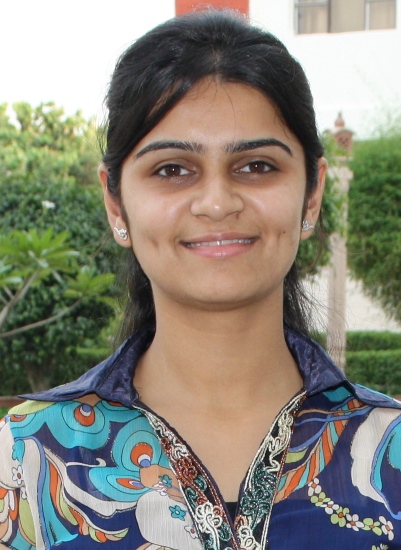
SBITians working in Leading Global Companies
 |
 |
 |
 |
 |
 |
Deepak SharmaEY, UK |
SahibaAdobe, USA |
Nidhi SharmaInuit Inc, USA |
Sakshi AroraHCL, Sweden |
Nitiksha BudhirajaEY |
Shagun MalikBoston Consulting Group (BCG) |
SBITians Speaks
Programme Educational Objectives (PEO)
The Programme Educational Objectives (PEOs) describe what the graduates of this programme are expected to achieve few years after graduation.
PEO 1 – Technical Competence and Professional Ability
Graduates will establish successful careers by applying core and specialized knowledge in computing, AI, and data science to analyze, design, and implement innovative solutions to real-world problems.
PEO 2 – Analytics, Problem-Solving, and Innovation
Graduates will apply analytical thinking, statistical methods, and computational tools to extract insights from complex data and develop intelligent systems, demonstrating innovation in problem solving.
PEO 3 – Lifelong Learning and Research
Graduates will pursue advanced studies, research, certifications, or professional development, adapting to technological changes in AI, data science, machine learning, and related domains.
PEO 4 – Leadership, Communication, and Teamwork
Graduates will demonstrate effective communication, leadership, and teamwork in multidisciplinary environments, contributing to organizational growth and societal well-being.
PEO 5 – Ethical Practice and Social Responsibility
Graduates will practice professional ethics, prioritize data privacy/security, and consider social and environmental impacts when designing AI/DS solutions.
Programme Specific Outcomes (PSO):
After successful completion of the programme, graduates will be able to:
PSO 1 – AI & Data Science Application:
Apply principles of artificial intelligence, machine learning, and data analytics to model, interpret, and solve data-driven problems in diverse domains.
PSO 2 – System Design & Development:
Design, implement, and evaluate intelligent and scalable software systems using modern frameworks, tools, and data science methodologies.
PSO 3 – Data Engineering & Big Data Management:
Process and manage large datasets using appropriate data engineering techniques and extract meaningful knowledge using statistical and predictive models.
Programme Outcomes (PO)
Upon graduation, students will demonstrate the following outcomes, aligned with NBA and NAAC criteria:
PO1 – Engineering Knowledge:
Apply knowledge of mathematics, computing, and engineering fundamentals to solve complex computing challenges.
PO2 – Problem Analysis:
Analyze complex engineering problems using principles of computing, AI, and data science to reach substantiated conclusions.
PO3 – Design/Development of Solutions:
Design effective solutions and engineer systems that meet specified requirements within realistic constraints.
PO4 – Investigation:
Use research-based methods and data analysis to investigate problems, interpret results, and support decision-making.
PO5 – Modern Tools:
Utilize contemporary tools, programming frameworks, and AI/DS platforms (e.g., Python, R, TensorFlow, Spark) in designing and building solutions.
PO6 – Engineer & Society:
Evaluate the impact of engineering solutions in societal and global contexts, including ethical, legal, and cultural considerations.
PO7 – Environment & Sustainability:
Commit to sustainable computing practices that reduce environmental impact and conserve resources.
PO8 – Ethics:
Apply professional, ethical principles, and responsibilities in research and engineering practice.
PO9 – Individual & Team Work:
Function effectively as an individual and as a member/leader in diverse multidisciplinary teams.
PO10 – Communication:
Communicate technical information effectively to both technical and non-technical audiences.
PO11 – Project Management:
Apply engineering and management principles in projects, demonstrating planning, organization, and resource optimization.
PO12 – Lifelong Learning:
Recognize the need for ongoing education and engage in self-directed learning to stay current with technological advances.
Major Subject:
The programme covers a strong mix of core computing, AI, and data science topics:
Core and Foundational Subjects
- Engineering Mathematics
- Physics & Chemistry for Engineers
- Programming (C, Python, Java)
- Data Structures & Algorithms
- Computer Architecture
- Database Management Systems
- Operating Systems
- Computer Networks
- Software Engineering
AI & Data Science Subjects
- Introduction to Artificial Intelligence
- Machine Learning
- Applied Statistics & Probability
- Data Mining & Data Warehousing
- Big Data Analytics
- Data Visualization & Business Intelligence
- Natural Language Processing
- Deep Learning & Neural Networks
- Data Engineering & Cloud Computing
- Computer Vision & Pattern Recognition
Project & Experiential Learning
- Mini Projects (per semester)
- Capstone Project / Industry Project
- Internship / Industrial Training
- Workshops and Seminars with Industry Experts
Career Opportunities
Graduates of B.Tech CSE (Artificial Intelligence & Data Science) are highly sought after in technology and research sectors. Career opportunities include:
Technical Career Roles
- AI Engineer
- Machine Learning Engineer
- Data Scientist / Data Analyst
- Big Data Engineer
- Business Intelligence Developer
- Software Developer / Software Engineer
- Cloud & Analytics Engineer
- Robotics / Automation Specialist
- NLP or Computer Vision Specialist
Research & Higher Studies
- Tech / MS in CS, AI, ML, DS
- Ph.D in AI or Computing Sciences
- Professional Certifications (Cloud, Big Data, Deep Learning)
Industry Sectors
- Information Technology & Software Services
- Finance & Banking Analytics
- Healthcare & Bioinformatics
- E-commerce & Retail Analytics
- Telecom & IoT Platforms
- Autonomous & Smart Systems
- Government & Public Policy Analytics.


