

About the Programme
The B.Tech in Computer Science and Engineering (Artificial Intelligence and Machine Learning) is a four-year, undergraduate, outcome-based engineering programme designed to equip students with a strong foundation in computer science while specializing in the theory and application of Artificial Intelligence (AI) and Machine Learning (ML). This programme blends the fundamentals of computing with advanced concepts in intelligent systems, preparing graduates to address contemporary challenges in software, automation, data analysis, and AI-driven innovation.
The curriculum is structured to ensure progressive learning — beginning with core principles such as mathematics, programming, data structures, and computer architecture, and advancing into specialized coursework in machine learning, deep learning, natural language processing, computer vision, and AI methodologies. Through a combination of lectures, case studies, laboratory work, real-world projects, workshops, internships, and industry collaborations, students gain hands-on experience with cutting-edge tools like Python, TensorFlow, PyTorch, cloud platforms, and big data frameworks.
The programme is aligned with NBA and NAAC outcome-based education (OBE) frameworks, ensuring that students achieve the desired Programme Outcomes (POs), Programme Educational Objectives (PEOs), and Programme Specific Outcomes (PSOs) by the time they graduate. Graduates emerge as competent professionals ready to contribute in sectors such as software development, data science, automation, robotics, research, and entrepreneurship.
SBITians working in Leading Global Companies
 |
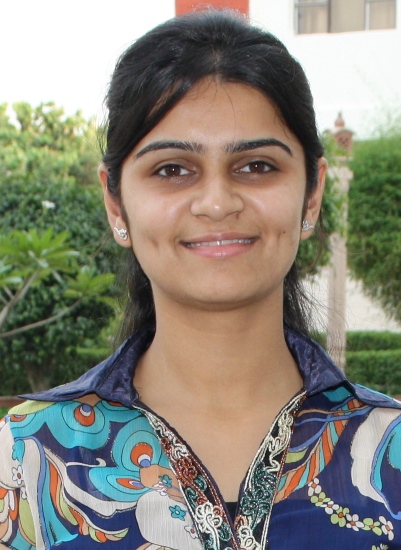 |
 |
 |
 |
 |
Deepak SharmaEY, UK |
SahibaAdobe, USA |
Nidhi SharmaInuit Inc, USA |
Sakshi AroraHCL, Sweden |
Nitiksha BudhirajaEY |
Shagun MalikBoston Consulting Group (BCG) |
SBITians Speaks
Programme Educational Objectives (PEO):
The Programme Educational Objectives state what the graduates are expected to achieve within 4 years of graduation. These objectives reflect the mission of the programme and provide a basis for curriculum design, assessment strategies, and continuous improvement.
PEO 1 – Professional Competence and Technical Proficiency
Graduates will demonstrate strong technical competence in Computer Science, AI, and ML by applying foundational and advanced concepts to analyze, design, implement, and evaluate computing solutions in academic, research, or professional environments.
PEO 2 – Problem-Solving, Innovation, and Research Orientation
Graduates will critically assess complex engineering problems, employ analytical and creative thinking, and develop innovative solutions using AI and ML techniques. They will also engage in research or continue higher studies to contribute to technological advancement.
PEO 3 – Lifelong Learning and Adaptability
Graduates will pursue continuous learning, certifications, professional development, and advanced education to stay updated with emerging technologies such as deep learning, robotics, autonomous systems, and intelligent data analytics.
PEO 4 – Leadership, Communication, and Teamwork
Graduates will demonstrate effective communication skills, leadership qualities, and the ability to work collaboratively in multidisciplinary teams to achieve organizational goals and drive technology-driven initiatives.
PEO 5 – Ethical Practice and Social Responsibility
Graduates will exhibit professionalism, ethical conduct, and awareness of the societal, environmental, and global implications of AI-powered technologies while ensuring sustainability, privacy, and fairness in engineering practices.
Programme Specific Outcomes (PSO):
The Programme Specific Outcomes (PSOs) describe what students are expected to know and be able to do by the time of graduation.
PSO 1:
Apply principles of Artificial Intelligence, Machine Learning, and Data Science to model, analyze, and solve complex engineering problems.
PSO 2:
Design, develop, and deploy intelligent applications using modern programming languages, AI frameworks, and computational tools.
PSO 3:
Integrate AI and ML techniques with emerging technologies such as cloud computing, big data, and IoT to build efficient and scalable systems
Programme Outcomes (PO):
Graduates of the programme will attain the following Programme Outcomes (POs) as defined by NBA:
PO1 – Engineering Knowledge:
Apply knowledge of mathematics, science, engineering fundamentals, and computer science to solve complex engineering problems.
PO2 – Problem Analysis:
Identify, formulate, review research literature, and analyze complex problems using AI and ML principles to arrive at substantiated conclusions.
PO3 – Design / Development of Solutions:
Design solutions for complex engineering problems and develop system components or processes that meet specified needs with appropriate consideration for public health, safety, and environmental aspects.
PO4 – Investigation of Complex Problems:
Use research-based knowledge and methods including data analysis, experimentation, and interpretation to provide valid conclusions.
PO5 – Modern Tool Usage:
Create, select, and apply appropriate techniques, resources, and modern engineering and AI tools to complex engineering activities with an understanding of their limitations.
PO6 – Engineer and Society:
Apply reasoning informed by contextual knowledge to assess societal, health, safety, legal, and cultural issues relevant to professional engineering practice.
PO7 – Environment and Sustainability:
Understand the impact of engineering solutions in societal and environmental contexts and demonstrate knowledge of sustainable development.
PO8 – Ethics:
Apply ethical principles and commit to professional ethics and responsibilities in AI and computing practices.
PO9 – Individual and Team Work:
Function effectively as an individual, and as a member or leader in diverse and multidisciplinary teams.
PO10 – Communication:
Communicate effectively on complex engineering activities with the engineering community and society at large.
PO11 – Project Management and Finance:
Demonstrate knowledge of engineering and management principles and apply them to manage projects in multidisciplinary environments.
PO12 – Life-long Learning:
Recognize the need for and engage in independent and lifelong learning in the context of technological change.
Major Subjects
The programme curriculum includes the following core and specialized subjects, aligned with NBA curriculum framework:
- Engineering Mathematics
- Programming in C, Python, and Java
- Data Structures and Algorithms
- Discrete Mathematics
- Database Management Systems
- Operating Systems
- Computer Networks
- Software Engineering
- Artificial Intelligence
- Machine Learning
- Deep Learning
- Data Science and Big Data Analytics
- Natural Language Processing
- Computer Vision
- Cloud Computing
- Internet of Things
- Ethical AI and Responsible Computing
These are supported by laboratories, mini-projects, capstone projects, internships, and industry-oriented courses
Career Opportunities
Graduates of B.Tech CSE (Artificial Intelligence and Machine Learning) are well prepared for diverse roles in industry, research, and academia, including:
- Artificial Intelligence Engineer
- Machine Learning Engineer
- Data Scientist
- Data Analyst
- Software Engineer
- Computer Vision Engineer
- NLP Engineer
- Robotics Engineer
- Cloud and AI Solutions Engineer
- Business Intelligence Analyst
- Research Engineer
- AI Consultant
Graduates may also pursue higher studies (M.Tech, MS, MBA, Ph.D.), research careers, competitive examinations, or entrepreneurial ventures in AI-driven domains.


